
HRV and ERV: The Lungs of Your Passivhaus Home
When you think of a healthy, high-performance home, what comes to mind? Triple-glazed windows? Superior insulation? Airtight construction? All of these are essential, but none are quite as vital to your wellbeing as the system quietly working in the background: your ventilation unit.
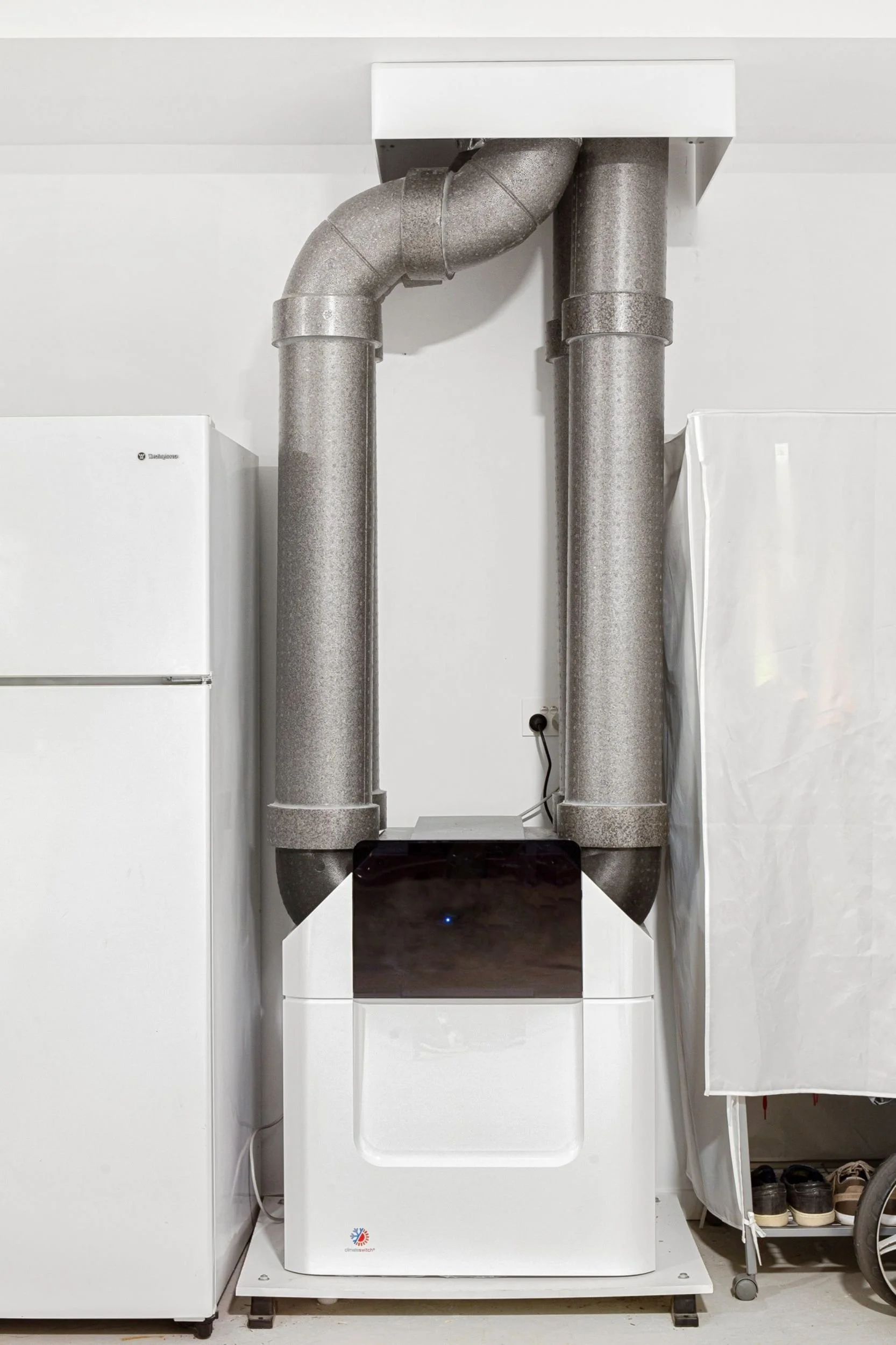
In a Passivhaus, the Heat Recovery Ventilation (HRV) or Energy Recovery Ventilation (ERV) system is more than just a feature. It is the lungs of your home, delivering fresh air, maintaining indoor comfort, and supporting your health every hour of the day.
What Are HRV and ERV Systems?
HRV and ERV units are mechanical ventilation systems that exchange stale indoor air with fresh, filtered outdoor air, all while capturing and transferring heat. In the case of ERVs, they also manage humidity between the outgoing and incoming air streams.
This means your home stays filled with clean, comfortable air without losing warmth in winter or coolness in summer. Think of it as your home breathing: exhaling old air and inhaling new air without wasting energy.
How They Work in a Passivhaus
Passivhaus design is airtight, which is critical for energy efficiency, but without a proper ventilation system, that airtightness could trap moisture, odours, and pollutants inside. That is where HRVs and ERVs come in:
Fresh outdoor air is drawn in.
Stale indoor air is extracted.
Heat (and sometimes moisture) is recovered from the outgoing air.
Incoming air is filtered and pre-conditioned before entering your living spaces.
The result is a constant supply of clean, temperate, healthy air in every room of the house.
HRV vs ERV – What’s the Difference?
Both systems recover heat, but they handle moisture differently:
HRV (Heat Recovery Ventilation)
Transfers heat only
Ideal for cooler, drier climates
Helps reduce indoor humidity in winter
ERV (Energy Recovery Ventilation)
Transfers both heat and moisture
Ideal for more humid or variable climates, like parts of Australia’s east coast
Helps retain moisture in dry seasons and reduce it in humid seasons
Depending on your climate and household needs, either system can provide year-round comfort and air quality.
Why Ventilation Matters – Especially in Australia
On the east coast of Australia, where humidity, pollen, bushfire smoke, and allergens can all affect indoor air, a properly functioning HRV or ERV system is essential.
They help protect against:
Mould and condensation by managing humidity levels
Allergens and pollutants through high-grade filters
Odours and CO₂ buildup by continuously exchanging stale air
Smoke and fine particles, especially during bushfire season
Temperature fluctuations by maintaining a stable indoor environment
Whether you live in Brisbane, the Sunshine Coast, Sydney, or beyond, clean air is not a luxury—it is a necessity. Passivhaus homes deliver it 24 hours a day, seven days a week.
A Silent System with Big Benefits
One of the best parts about HRV and ERV systems is that you will barely notice them. They operate quietly and efficiently in the background, requiring only minimal maintenance, usually just a quick filter change every few months.
Because they work in harmony with your home’s design, you will spend less on heating and cooling while enjoying superior comfort and air quality.
At H4 Living, We Design with Breathability in Mind
Every Passivhaus we design includes a carefully chosen, climate-suitable HRV or ERV unit to match your family’s lifestyle, local conditions, and build type. We consider:
Home size and orientation
Climate and humidity levels
Local air quality
Family needs, such as allergies, kids, or pets
Energy efficiency goals
Breathe Easy in a Passivhaus Home
A home should be more than just a place to live. It should be a place to thrive. With a high-quality HRV or ERV system as part of your Passivhaus design, you will experience what healthy living really feels like: clean air, perfect temperatures, and peace of mind, year-round.
Let your home breathe. Let your family flourish. Build with H4 Living.
Click the link below to get in touch with our team.