
Healthy by Design: Using Low-Toxic Materials in Your Passivhaus for a Truly Sustainable Home
Healthy by Design: Using Low-Toxic Materials in Your Passivhaus for a Truly Sustainable Home
When we think of sustainability, energy efficiency and environmental performance often come to mind first. But true sustainability also includes something more personal—and arguably more important: your health.
A certified Passivhaus home doesn’t just reduce your energy bills and carbon footprint. It can also be designed to be low-tox, free from harmful chemicals, and safe for your family. From the paints on your walls to the adhesives beneath your floors, every material choice matters. When done right, a Passivhaus becomes a healthy sanctuary as much as a high-performance one.
Why Focus on Low-Toxic Materials?
Modern homes can unfortunately be a source of indoor air pollution. Building products, finishes, and furnishings may contain volatile organic compounds (VOCs), formaldehyde, and other chemicals that off-gas into your indoor environment. In airtight buildings like Passivhaus, this issue becomes even more critical, since the air you breathe is tightly contained.
T
hat’s why careful material selection and indoor air quality go hand-in-hand with Passivhaus design.
Passivhaus and Low-Tox: The Ultimate Healthy Home
One of the hidden benefits of Passivhaus certification is that its systems already support indoor health:
Mechanical ventilation with filtration ensures continuous fresh, filtered air
Stable humidity and temperature reduce mould, dust mites, and allergens
Airtight construction prevents pollutants and pests from entering
Combine this performance with low-toxic building materials, and you have a home that actively supports your wellbeing.
Top Low-Toxic Materials for Passivhaus Homes
Here are some safe, sustainable material swaps that align beautifully with Passivhaus goals:
Low- and No-VOC Paints
Brands like Resene, Haymes, and ECOS offer certified low-VOC options in Australia. These reduce respiratory irritants and unpleasant chemical smells.Natural Flooring
FSC-certified timber with natural oils or water-based finishes, cork, bamboo, or linoleum are renewable, low-tox, and biodegradable options.Formaldehyde-Free Plywood and MDF
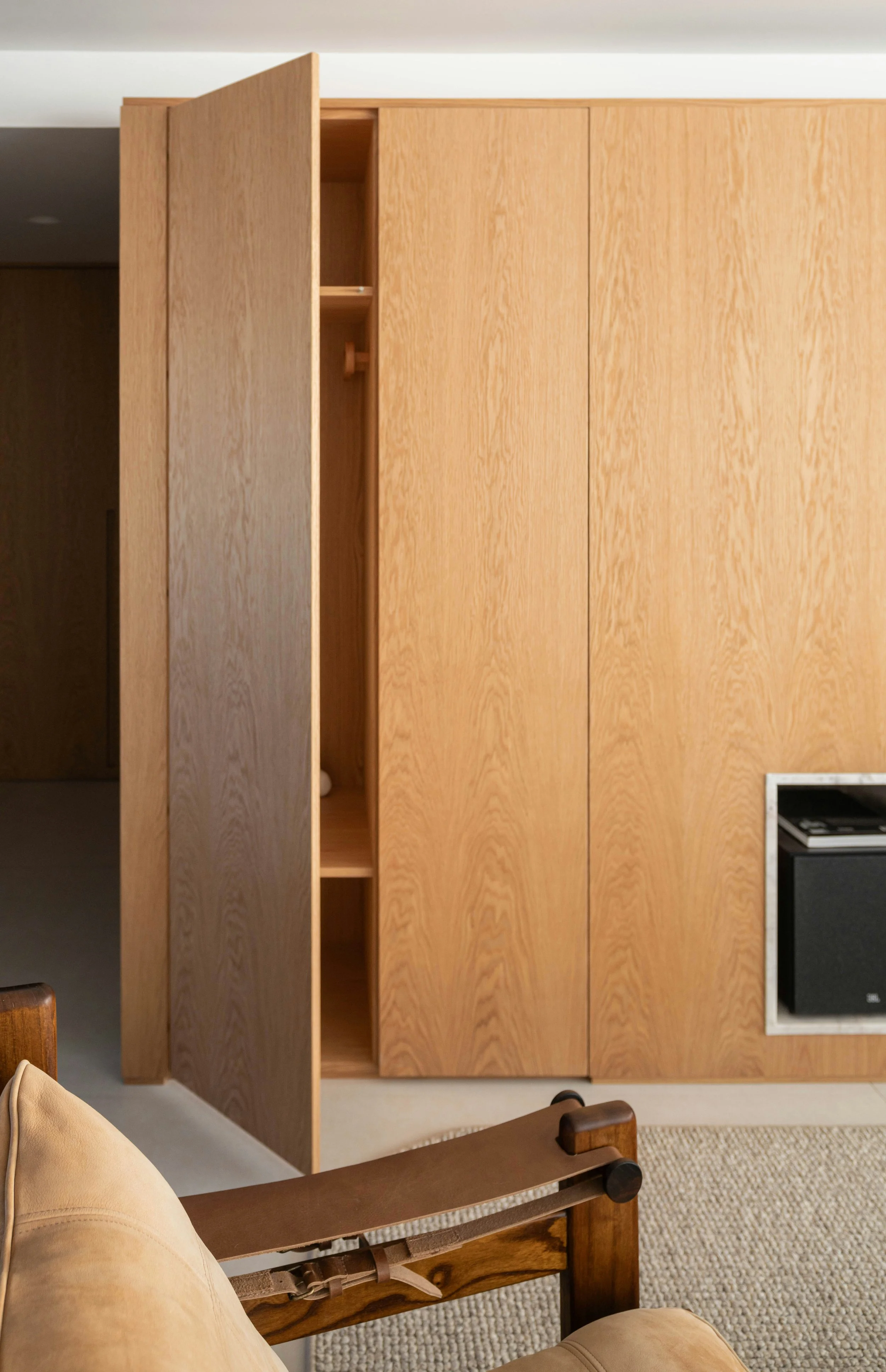
Specify E0 or super E0 products, or use natural alternatives like solid timber or strawboard for cabinetry and wall panels.Natural Insulation
Cellulose (recycled paper), sheep wool, or hemp batts are safer to install, more breathable, and better for the planet.Low-Toxic Adhesives and Sealants
Use low-VOC or solvent-free glues and caulks. Many flooring and joinery brands now offer toxin-free installation systems.Safe Bathroom and Kitchen Surfaces
Avoid laminates with urea-formaldehyde adhesives. Instead, opt for natural stone, porcelain, or low-emission composite surfaces like Paperstone or Richlite.
.
Certifications to Look For
To be confident in your materials, check for recognised certifications:
GreenTag (Australia)
GECA – Good Environmental Choice Australia
Global GreenTag HealthRATE
Declare Label (Living Building Challenge)
FSC or PEFC for sustainably sourced timber
At H4 Living, Wellness Is in the Walls
At H4 Living, we believe a forever home should nurture the people who live in it, not expose them to invisible risks. That’s why we prioritise healthy, low-toxin materials across our Passivhaus builds.
You’ll breathe easier knowing your home is:
Airtight and efficient
Freshly ventilated 24/7
Free of harmful chemicals
Built to last and support long-term wellness
Final Thought: Health Is the New Luxury
The ultimate luxury isn’t marble benchtops or smart lighting—it’s living in a home that keeps you and your family well.
A Passivhaus home built with low-toxic, sustainable materials is more than just green. It’s clean, comfortable, and consciously crafted from the ground up.
Ready to build your low-tox sanctuary?
Talk to H4 Living about how we can design a Passivhaus that’s beautiful, efficient, and healthy in every way.
Click the link below to get in touch with our team.