
When it comes to building a Passivhaus, every element matters, but few are as critical as your windows and doors. These are not just architectural features or aesthetic choices. In a high-performance home, they are the gatekeepers of comfort, energy efficiency, and indoor health.
On Australia’s east coast, with its coastal breezes, high humidity, and strong solar exposure, choosing the right windows and doors is even more important.
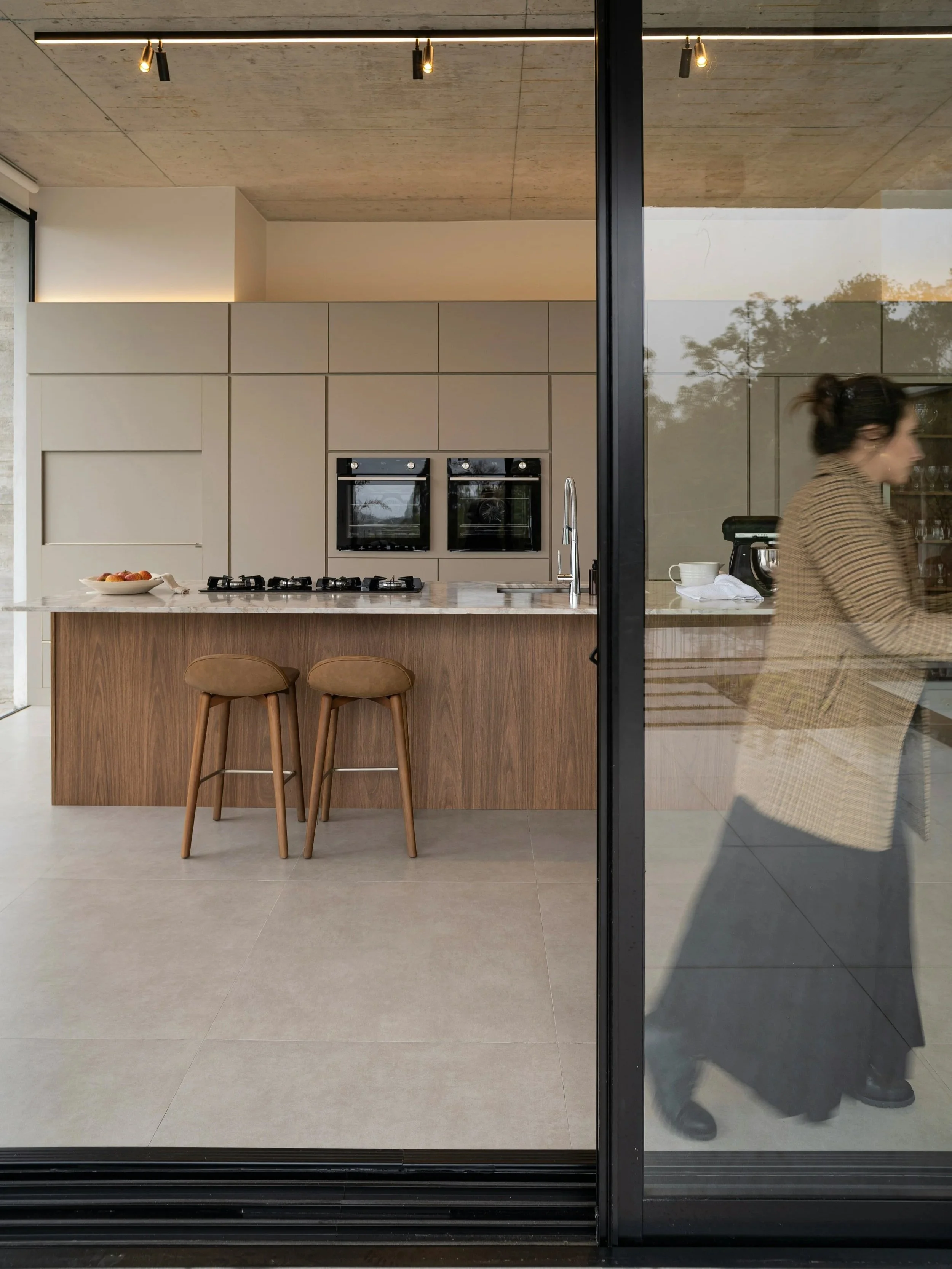
More Than Just a View: The Role of Windows and Doors in Passivhaus
In a Passivhaus, the goal is to achieve exceptional thermal performance, airtightness, and indoor air quality. Windows and doors are often the weakest link in conventional builds, allowing heat to escape in winter, letting it pour in during summer, and compromising the home’s airtightness.
In a certified Passivhaus, this link becomes a strength through:
High-performance glazing
Thermally broken frames
Precision installation and sealing
These features maintain stable internal temperatures, reduce reliance on heating and cooling, and ensure long-term durability.
East Coast Climate Challenges: Why It Matters More Here
The east coast of Australia, from Brisbane to Sydney and the Sunshine Coast, presents a unique blend of climate conditions:
Hot, humid summers with intense solar exposure
Mild but variable winters where passive heat retention is vital
Salt-laden air and coastal winds requiring durable materials and airtight seals
Seasonal storms that test the integrity of frames and installation
Without the right windows and doors, a home in these conditions can become an energy drain, uncomfortable to live in, and costly to run.
What to Look for in Passivhaus Windows and Doors
Here is what makes windows and doors suitable for Passivhaus, especially on Australia’s east coast:
-
Essential for thermal performance, blocking summer heat and retaining warmth in winter. Triple glazing also improves acoustic insulation, ideal for coastal homes near busy roads or surf.
-
Glass coatings reflect infrared energy, keeping heat out in summer and in during winter. They are essential in subtropical climates.
-
Aluminium frames may look sleek, but without thermal breaks they create heat bridges. Composite or uPVC frames with thermal breaks eliminate energy loss.
-
Even the best window will not perform if poorly installed. Passivhaus-certified installations use airtight tapes, membranes, and precision sealing.
-
East-facing windows on the coast receive strong morning sun, while western windows bear the brunt of afternoon heat. Strategic orientation, external shading, and adjustable glazing help manage this solar load.
Doors: Often Overlooked, Always Important
Front doors, sliding doors, and patio entries are notorious for air leakage. In a Passivhaus, every door must seal tightly and perform like a window in terms of insulation and air control. Key features include:
Multi-point locking systems for airtightness
Insulated cores for thermal efficiency
Weather-resistant materials for long-term performance in coastal conditions
H4 Living: Building for Coastal Performance
At H4 Living, we design and build Passivhaus-standard homes specifically tailored to the east coast climate. We only use window and door systems that meet the rigorous energy and durability standards required for our subtropical and coastal environments.
We do not just install windows. We engineer them to be part of your home’s total comfort solution.
The Result: Year-Round Comfort, Lower Bills, and a Longer-Lasting Home
Windows and doors are often seen as cosmetic choices, but in a Passivhaus, they are critical to your home’s performance. When done right, you will enjoy a home that is cool in summer, warm in winter, whisper-quiet inside, and dramatically more efficient to run.
Live coastal. Build smart. Choose Passivhaus.