
Australia's abundant sunshine makes it an ideal location for harnessing solar energy. When combined with the ultra-efficient design of Passivhaus homes, solar power becomes a powerful tool for achieving energy independence, reducing utility bills, and contributing to a more sustainable future.
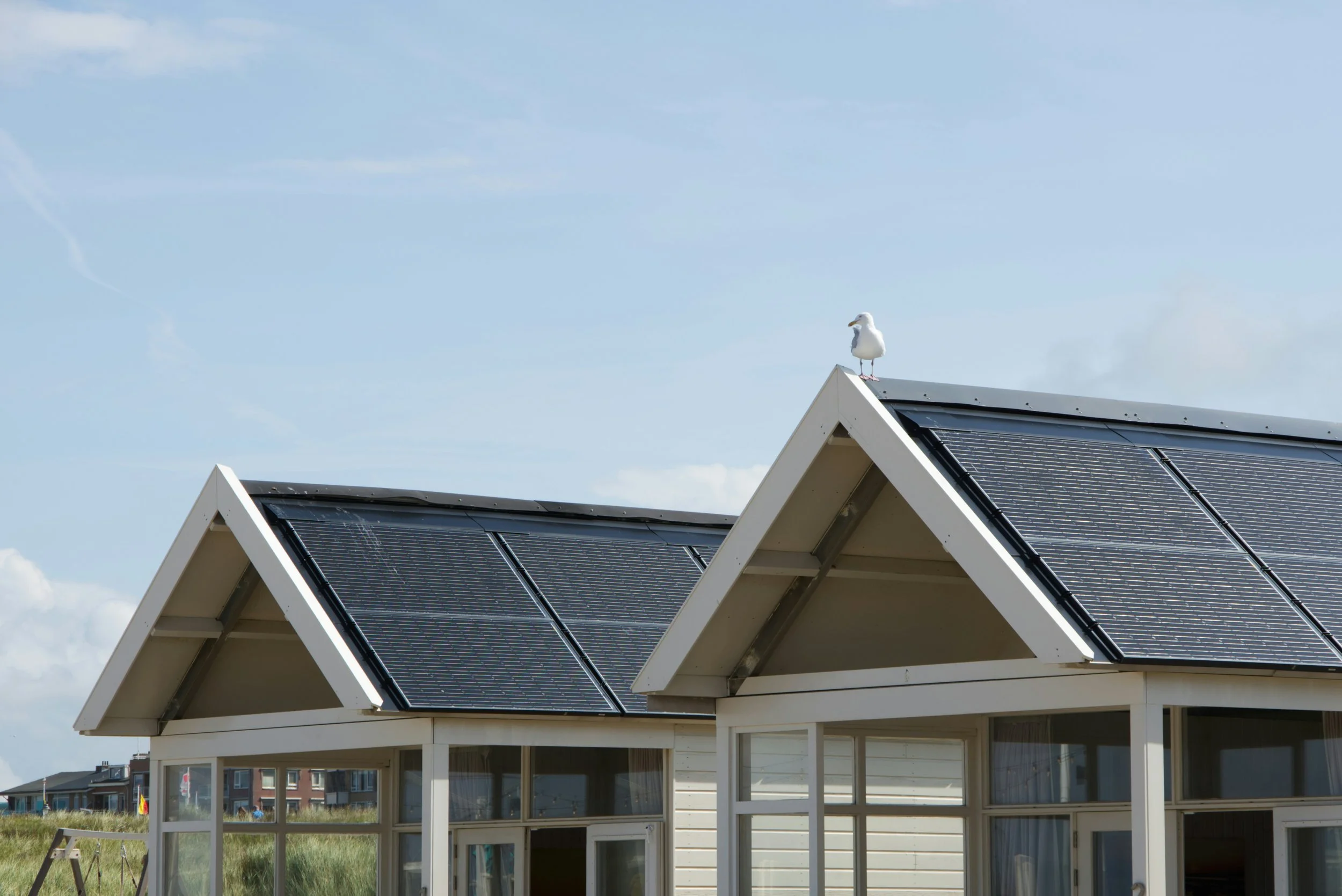
The Synergy Between Solar Power and Passivhaus Design
Passivhaus (or Passive House) is a rigorous standard for energy efficiency in buildings, designed to maintain comfortable temperatures year-round with minimal energy input. Features such as high-quality insulation, airtight construction, and strategic ventilation keep these homes exceptionally efficient.
Integrating solar panels into a Passivhaus design amplifies these benefits:
Energy Independence: Solar panels can generate the electricity needed for daily operations, reducing reliance on external power sources.
Cost Savings: With lower energy consumption and self-generated power, homeowners can achieve significant reductions in utility bills.
Environmental Impact: Combining Passivhaus efficiency with renewable energy sources like solar power minimises carbon emissions.
Advancements in Solar Technology for 2025 and Beyond
The solar industry is continually evolving, offering new technologies that enhance efficiency and integration:
Perovskite Solar Cells: Next-generation cells promise higher efficiency rates and lower production costs, making solar energy more accessible.
Solar Skins: Innovative solar skins can blend seamlessly with building materials, allowing aesthetic integration without compromising energy generation.
Enhanced Battery Storage: Modern batteries offer improved storage capacities, enabling homeowners to store excess solar energy for use during non-sunny periods.
Smart Energy Management Systems: Real-time monitoring and optimisation of energy usage ensures maximum efficiency.
Future Prospects: Solar Power in Australian Homes
The integration of solar power in Australian homes, especially Passivhaus builds, is set to become more common. Government incentives, technological advancements, and growing emphasis on sustainability are driving this trend.
Homeowners can expect:
Increased Affordability: As technology advances, solar installations are becoming more cost-effective and accessible.
Enhanced Grid Integration: Better integration with the national grid allows efficient energy distribution and potential income through feed-in tariffs.
Customized Solutions: Tailored solar systems will cater to individual household needs, ensuring optimal efficiency.
Embracing a Sustainable Future
Combining solar power with Passivhaus design offers a pathway to a more sustainable, cost-effective, and comfortable living environment. As technology continues to advance and awareness grows, Australian homeowners have a unique opportunity to lead the way in sustainable living.
Ready to harness the power of the sun in your Passivhaus home? Explore the latest solar technologies and take a step towards a greener future.