
In a home built to Passivhaus standards, every element is carefully chosen to maximise efficiency, comfort, and long-term sustainability. One area that often gets overlooked, however, is hot water.
Hot water typically accounts for 15–30% of a household’s energy use in Australia—even more in homes with ultra-low heating and cooling needs like a Passivhaus. Selecting the right hot water system is therefore a crucial part of designing a truly energy-efficient and low-impact home.
Why Hot Water Efficiency Matters in a Passivhaus
In a Passivhaus, you’ve already invested in insulation, airtightness, ventilation, and high-performance windows. Traditional hot water systems—especially electric storage or poorly sized gas units—can still waste energy, water, and money.
Because a Passivhaus doesn’t “need” much heating or cooling, hot water becomes a major contributor to total energy use, making it one of the smartest areas to improve for both performance and sustainability.
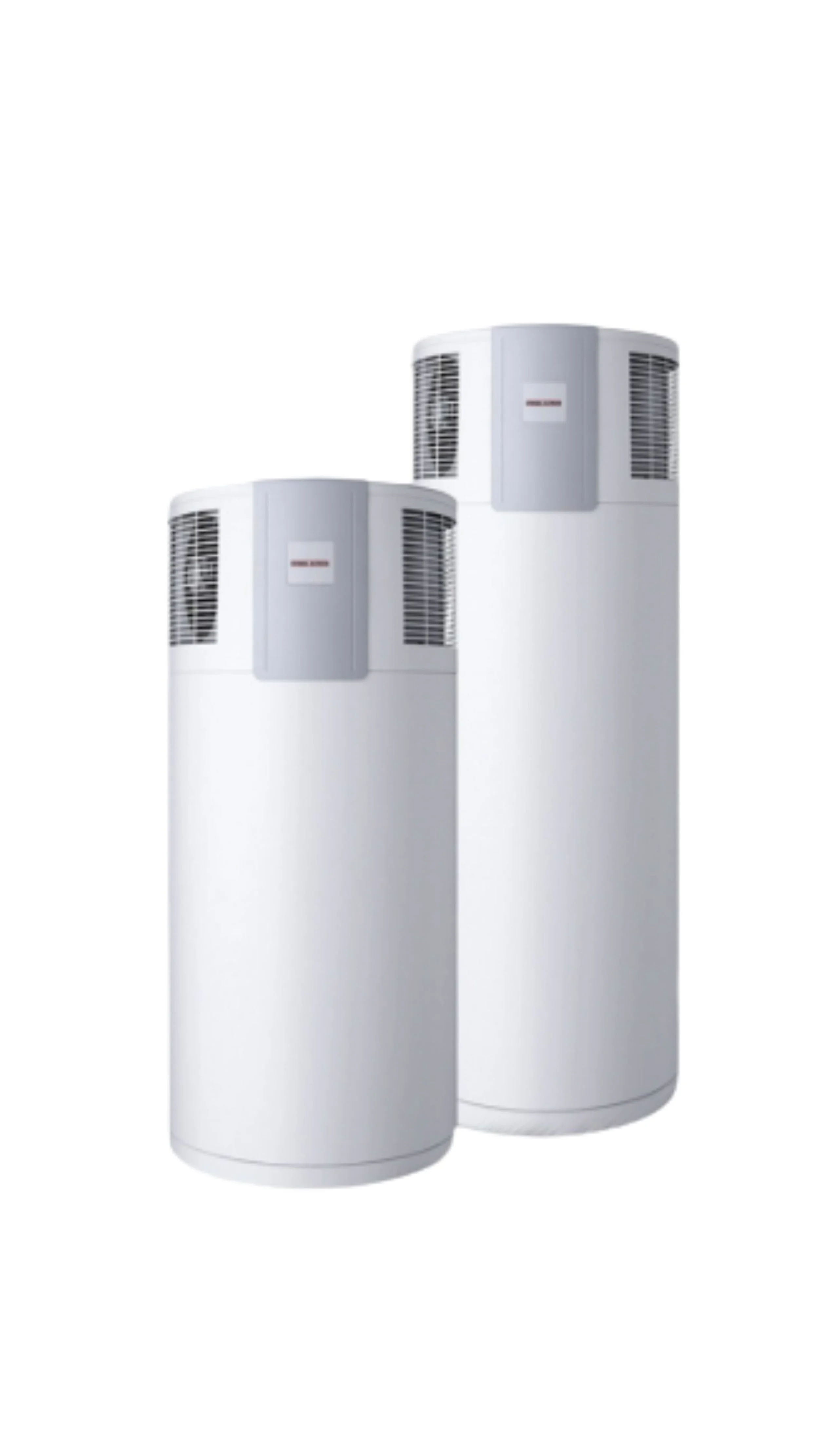
Best Hot Water Options for Passivhaus Homes in Australia
Here are the top systems suitable for the east coast climate (Queensland and NSW), chosen for efficiency, sustainability, and compatibility with Passivhaus design:
1. Heat Pump Hot Water Systems (Most Recommended)
How it works: Heat pumps use ambient air temperature to heat water—similar to a reverse-cycle air conditioner for your water tank.
Why it’s ideal for Passivhaus:
Extremely energy-efficient (up to 70% less energy than standard electric systems)
Performs well in warmer climates like the Sunshine Coast or Sydney
Often eligible for STC (Small-scale Technology Certificates) rebates
Integrates seamlessly with rooftop solar PV systems
Quiet, compact designs suitable for airtight homes
Popular brands:
Stiebel Eltron WWK 302H
Rinnai Enviroflo AR and GR Series
Sanden Eco® Plus
Reclaim Energy CO2 Heat Pump
Tip: Choose models with good cold-climate performance if building at altitude or in southern NSW.
2. Solar Hot Water Systems (with Gas or Electric Boosters)
How it works: Rooftop solar collectors heat water during the day, stored in an insulated tank. Booster elements activate when solar is insufficient.
Pros:
Excellent for reducing carbon footprint
Works well on sunny sites with good orientation
Can be paired with backup systems for reliability
Cons:
Requires more roof space (may compete with PV panels)
Plumbing complexity
May require boosting in winter or cloudy weather
3. Electric Instantaneous (Tankless) Systems
How it works: Heats water on demand with no storage tank.
Pros:
Small footprint—ideal for compact homes
No standby losses from stored water
Cons:
High peak energy demand
Less efficient than heat pumps unless offset by solar PV
Often unsuitable for large households with high hot water demand
Design Considerations for Passivhaus Hot Water Systems
Keep pipe runs short: Minimise distance between the hot water unit and outlets to reduce heat loss and water waste
Use insulated pipework: Retains temperature and reduces wait time
Plan placement carefully: Ideally locate near bathrooms and laundry
Pair with PV: Leverage solar generation for heat pump or electric systems
Integrate with whole-home energy plan: Consider storage, load balancing, and time-of-use rates
H4 Living’s Approach to Hot Water in High-Performance Homes
At H4 Living, we ensure every element in your home supports health, efficiency, and sustainability. This includes designing hot water systems that:
Match your household’s usage patterns
Reduce emissions and grid dependence
Work seamlessly with Passivhaus airtightness and insulation
Future-proof your home against rising energy costs
Whether it’s a compact heat pump for your forever home or a solar-integrated system for a family build, we help you make the smart, sustainable choice.
Ready to Take the Heat Off Your Energy Bills?
Talk to H4 Living about integrating energy-efficient hot water systems into your Passivhaus project. From design to installation, we ensure it’s done right from the start. Click the link below to get in touch with our team.